
Hey there, I’m Jess ✨. On The Signature, I share reflections on beauty, routines, travel, wellness, culture, and everyday life. For those drawn to a calmer, more intentional way of living, I send a free newsletter each month on the 7th. You're welcome to join.
Disclaimer: I am not a health care provider and should not be considered as such. All I can do is share my experience with an auto immune disease. Always consult a doctor if you think you might have alopecia or want to get any proper diagnosis on hair loss.
I was diagnosed with alopecia, more specifically lichen planopilaris (LPP), after a double scalp biopsy.
Some people consider their career their whole personality. As most of the people I know don't even know what I do for a living, it was never mine. But I can tell you my hair is indeed my whole personality which I have had to reconnect with after finding I had alopecia.
It took me years to rebuild my relationship with my hair as I had never managed its real nature before going natural. But five years have gone by, I have learned a lot in the process and what follows is what is currently working for me.
 Jess
Jess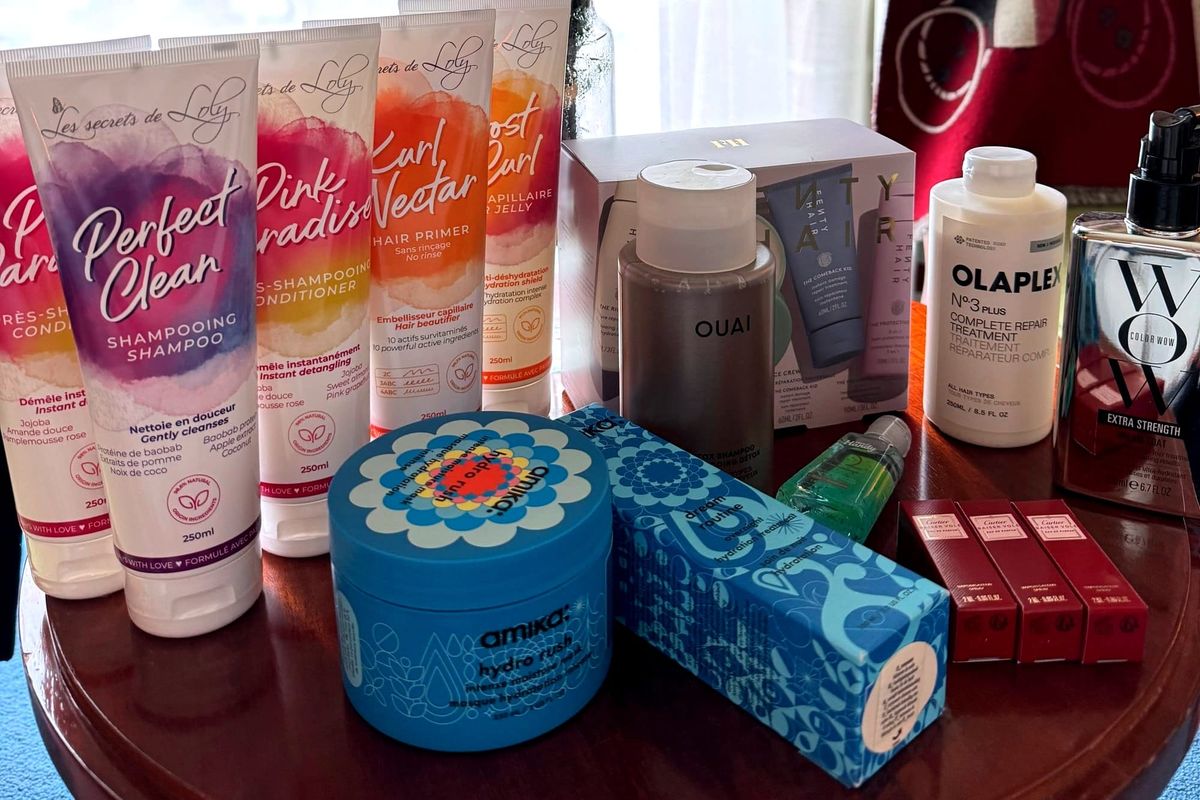
What is my Hair Profile?
I am a black girl with afro hair, which is already foreshadowing on how much time and money I invest in it. Consider it as a lifelong PhD.
More details on my expensive and time-consuming crown:
- coily yet fine-medium hair, which is a blend of types 4B and 4C
- I recently transitioned from chemically straightened for over 30 years, since I was just 4 years old
- I was diagnosed with alopecia - the lichen planopilaris (LPP) kind - after a double scalp biopsy in 2020
- ever since, I stopped chemical treatments in my hair and scalp and have gone 100% natural
- I have medium porosity and high shrinkage. Meaning that when hydrated (wet or with product) my hair elongates, but when dry, it's extremely coarse, short and puffy
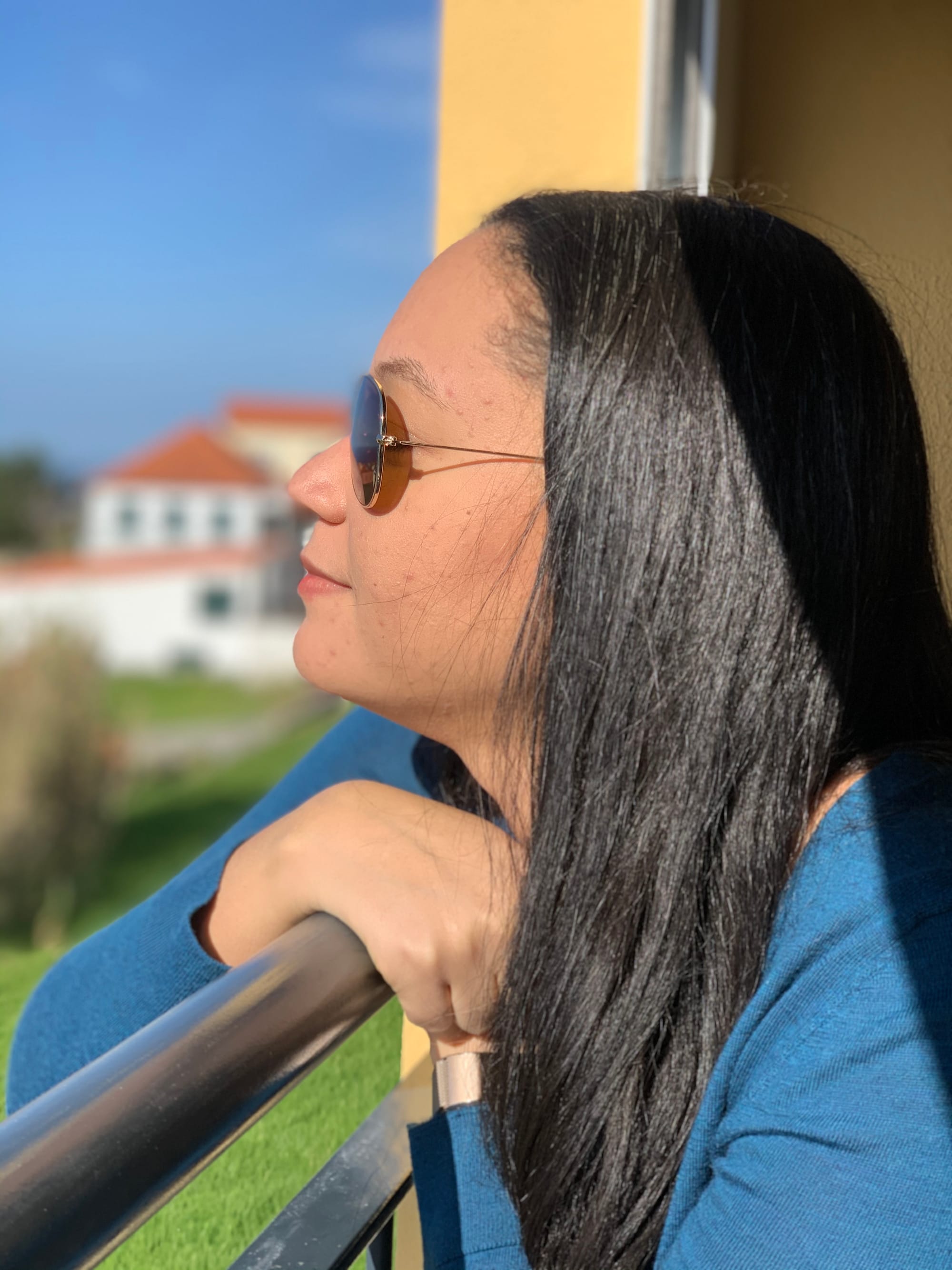
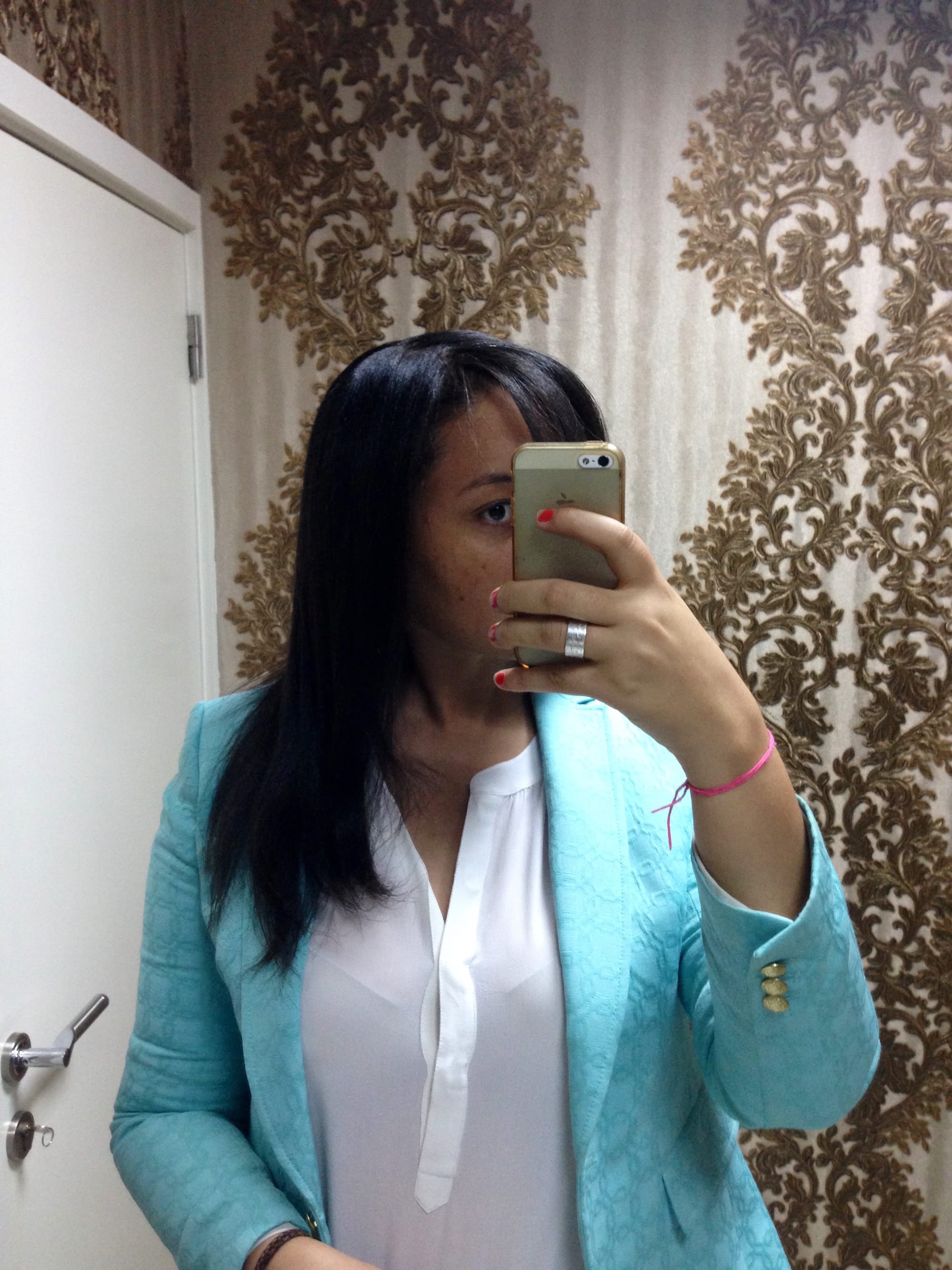
Photos from back in the day, when I used my hair chemically straightened
My Weekly Hair Wash Routine for Afro Hair and LPP Alopecia
Although I write about beauty every month, I just realised I never wrote a comprehensive haircare routine, only mentioning hair products sparsely once I finish them.
One of the first things I do on Sunday mornings is applying a pre-shampoo hair mask to my hair. I started doing this so religiously that when I can't do it, I FEEL it! I was recently travelling on a Sunday and I immediately felt something was off with my unwashed hair! A few years ago, I would easily skip wash day because I never knew when I had last washed my hair. None of that anymore!
The pre-shampoo treatments I use: Philip Kingsley's Elasticizer or Extreme Elasticizer OR Olaplex Nº3 - 30 minutes minimum on damp hair
I put the treatment on and then I go about my life, usually for a walk or working out. And then I take it off, and start the hair washing process with shampoo + conditioner.
The shampoos I use: for many years I used Moroccanoil's Hydration Shampoo and I have also tried this one and this one. For the past few months, I have been using Amika's Hydro Rush shampoo. Below I also indicate an alopecia-focused shampoo I have been using.
Speaking of conditioners, this is the area where I feel I need to learn and test the most. I just recently discovered the word and meaning of "slip" which is something I always wanted from products and did not always have.
The conditioners I use: same as for the shampoo, for many years I used Moroccanoil's Hydration Conditioner. For the past few months, I have also been using Amika's Hydro Rush conditioner.
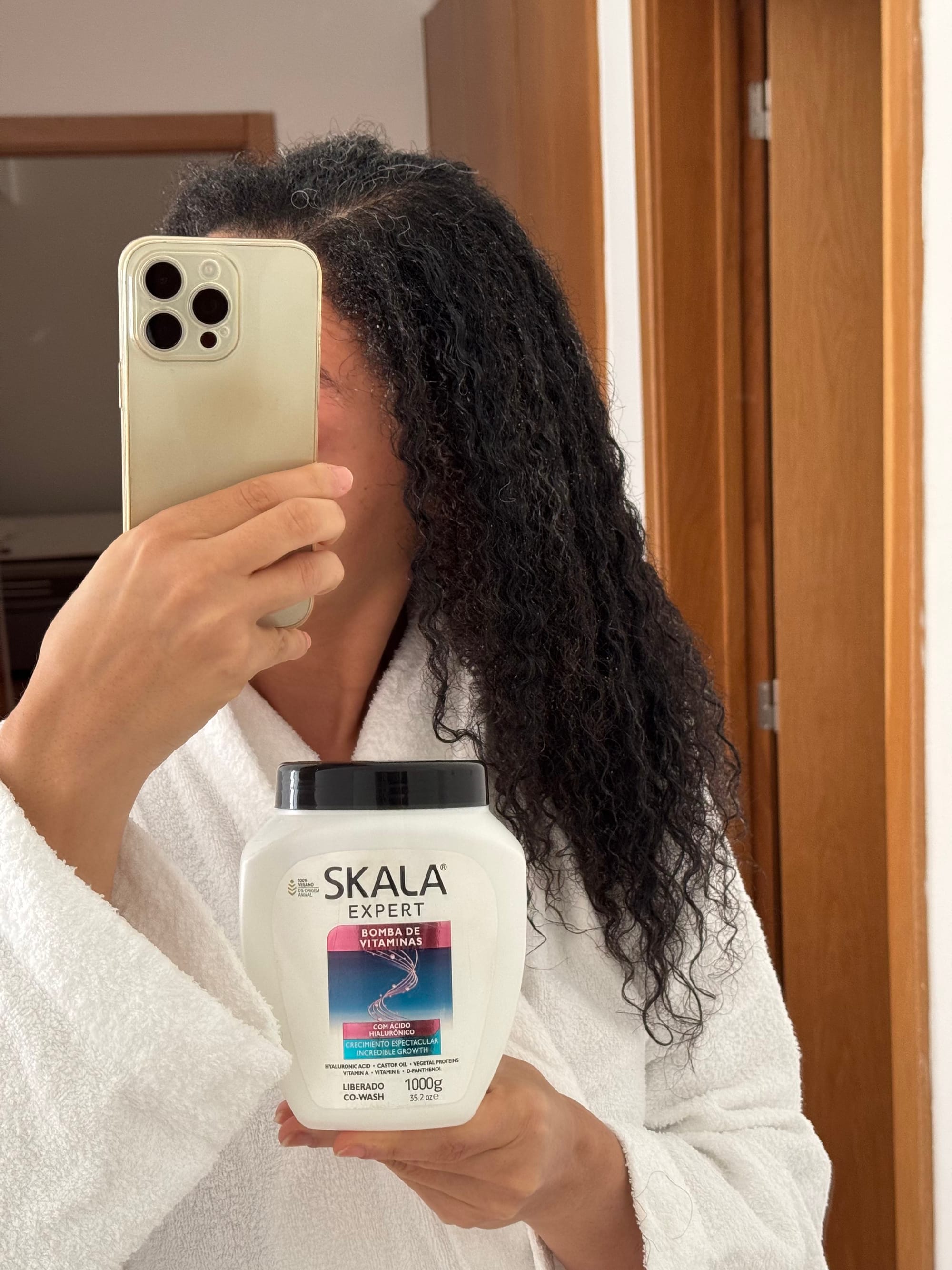
I don't always use a hair mask - especially when I already did the pre-shampoo stage - but when I do, I prefer leave in masks I can apply out of the shower. SAVE WATER, FOLKS!
The hairmasks I use: this is the category where I am less loyal to any brand and experiment a lot. I have been alternating these from Nature's Little Things, this leave in one from Lumene and the one below from Skala.
How I manage the day to day with LPP Alopecia
Morning haircare routine
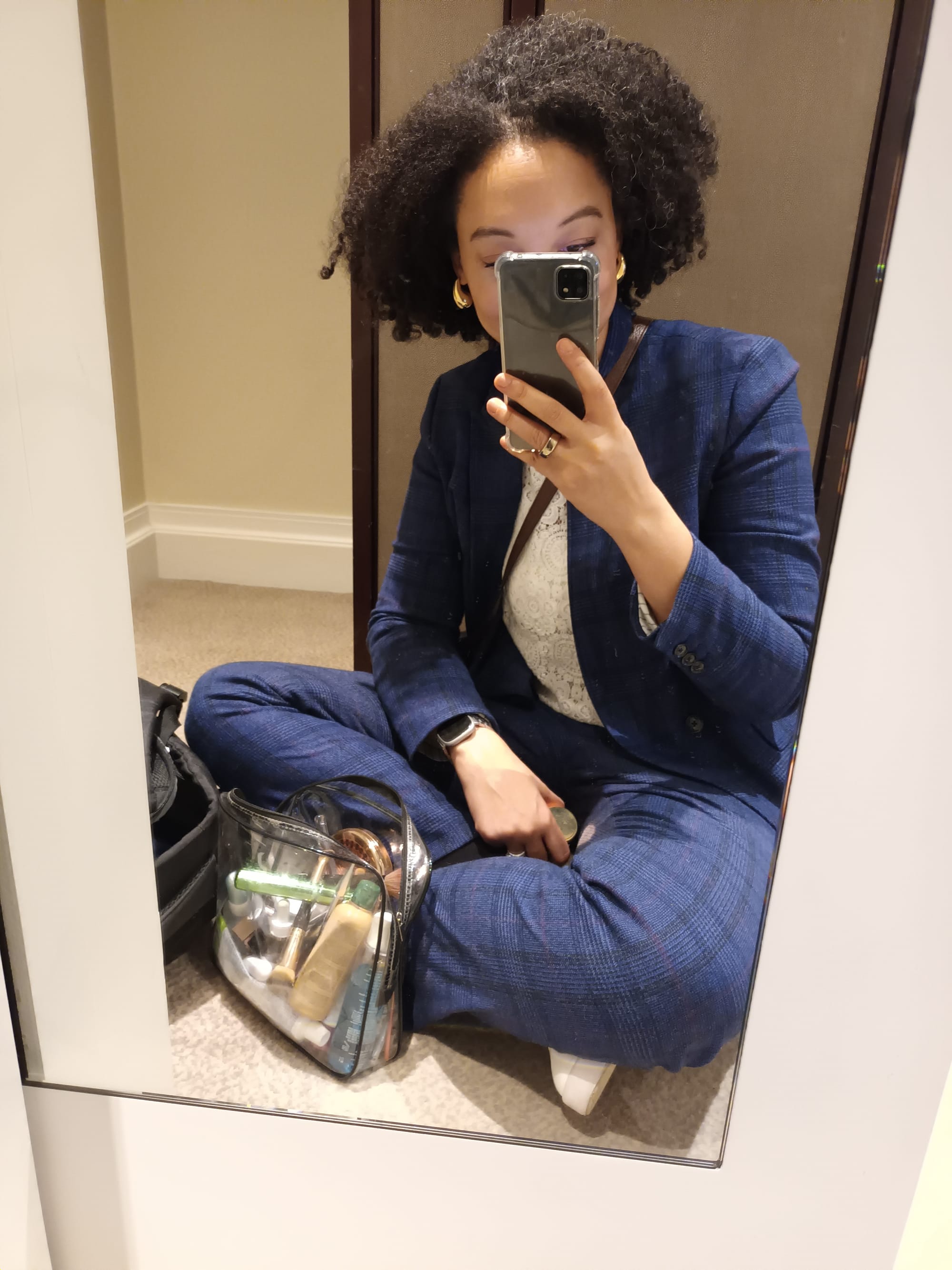
I go to the office every day so I need to style my hair. I usually part my hair on the side (I change the side weekly) and stick to two french braids on each. When my scalp is more sensitive, I only brush it and do a loose bun or a chignon. When my hair is freshly washed I shape the curls with hair gel and use it loose or do what I just baptised a sun bun. Either way, my hair frizzes a lot and I have learned not to overmanage it to make it look straight. It will never be.
My current styling products: I use this amazing spraying bottle I fill with water and a few drops of my Amika's Hydro Rush Leave-In. I am still looking for the best hair gel for me, and loved this Umberto Giannini one I bought in Namibia last year and I almost out of it. As for hair cream, I use when I only use it with my hair brushed and need the fly aways tamed. I have loved and used Mizani's Rose H2O or Moroccanoil's Hydration cream for the past 15 years.
Evening haircare routine
As soon as I get home, I remove all ties and let my hair loose. Hair ties, especially tight ones, are very conducive to a sensitive scalp hurting or itching and I try to avoid that by letting my hair do its own thing for at least 12 hours a day. Before bed, I put a hair serum on my scalp, a night treatment on lengths a few days after wash and a few drops of oil on my hair ends. Then I accommodate my mane in a mulberry silk bonnet. I have several, but this one is my favourite and the cutest to use in bed. I am still learning how to shape my hair for best results and keep my curls for the day after - loose twists don't work for me!
My current evening haircare products: as for scalp serums, I use them the day after wash and alternate from The Ordinary's Multi Peptide Serum or the HA Serum or Lumene's Boost Hair Serum. I don't use these on the day prior to hair wash. As for night treatments, I am loving Amika's Dream Routine. And for my hair oil, I alternate from my trust Moroccanoil treatment and The Ordinary's Squalane oil - wish I started recently and find absolutely amazing.
Haircare routine when I don't leave the house
Well, if I am not going out... I don't manage my hair. I put a clip on or let it loose. My scalp is sensitive and every hour I don't manage it or tie it up is better for my scalp and mental health. This is why working from home is great for me and my hair is always thankful for off days.
Jess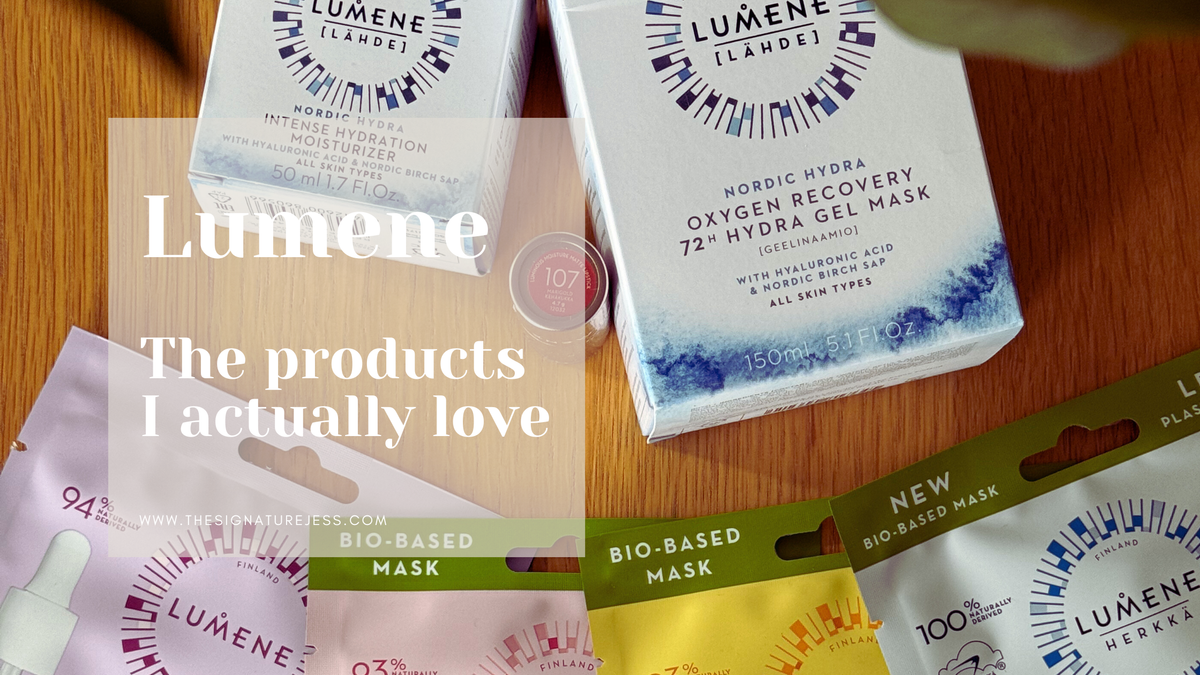
What changed with LPP Alopecia...
I was diagnosed with alopecia in 2020 and here is what I have learned ever since...
What is my type of alopecia?
Not all alopecias are born equal. My type is Lichen Planopilaris (LPP), an autoimmune condition that causes scarring and patches of hair loss, usually on your scalp and eyebrows. It may also cause scalp pain, itching or burning and affect other hair areas in your body.
I was devastated when my trichologist gave me the diagnosis after a double biopsy in 2020, I thought it meant I would go bald in weeks. Yet I always had issues with my hair, especially its thinning at the temples and how far apart my follicles are. Also, at times, I would get a stinging pain in my scalp - which I would convey as "my hair is hurting" - which I now know it's the LPP itchiness that gives me a burning sensation when my scalp is more inflamed.
Is there a cure for Lichen Planopilaris?
Having a name to give my condition, albeit saddening, is also empowering as I could now act on it. Or not, as LPP has no cure, so there is no one treatment you can do at this point, but discovering it in my 30s was better than later. All I can do is avoid what can flare up my LPP, such as chemical treatments, dry detangling and brushing - which is harsh on the sensitive scalp -, and product buildup.
Does my hair still grow with LPP Alopecia?
Absolutely, my hair still grows with LPP yet it does not grow equal. LPP is a scarring condition that congregates several strands on a single follicle, which makes a hair loss mean the loss of several hair strands at once instead of just one or two, as it naturally does. This is also what gives the thinning and bald patches we have to live with. In my bald areas, no hair will ever grow again. So I focus on putting soothing scalp serums where my hair is thinning. On other parts of my head, my hair grows naturally and with strong strands. I just have to be more on point in regards to trimming my hair ends, as they easily split and there is no oil that can replace a good cut.
Can I still use regular haircare products?
Having LPP is like stress management and I need to be extra careful with what stresses my scalp. Ingredients like alcohol, essential oil, preservatives such as parabens and perfume are prone to cause flare ups, leading to an uncomfortable scalp and extra hair loss. You should take more time to read the labels after your diagnosis, and if you are not sure, contact your dermatologist or trichologist.
If you have lichen planopilaris (LPP) or any form of scarring alopecia, your routine needs to focus on reducing inflammation, avoiding scalp stress, and maintaining consistent hydration.
What is the best type of shampoo for LPP Alopecia?
After some research, one of the products I recently started using and I am loving is a sensitive scalp shampoo, with 1% ketoconazole. I use it every other wash day (so 2-3 times per month) and focus in the front of my head, where flare ups occur oftener. I use my regular shampoo from the mid section to the back. It's a very soothing shampoo and I have not had flare ups since I started using it.
Can I relax, chemically straighten my hair with LPP Alopecia?
As mentioned before, the first thing I did once I confirmed I had LPP was that I stopped chemically straightening my hair. It took me over 2 years to outgrow my straightened roots and cut it all off to go fully natural. It is not recommended to use harsh and lasting chemicals in our scalp, as it weakens both scalp and strands.
Can I use heat on my hair with LPP Alopecia?
I rarely use heat on my hair and can count on a single hand the number of times I have done a blow dry in almost 10 years. The problem with heat is frequency: doing it from time to time is okay. Doing it weekly or oftener causes too much stress on scalp. Furthermore, if you do use heat, apply heat protector. Please. All your strands are precious.
Can I braid my hair with LPP Alopecia?
I have only done knot braids once in my life in the end of 2024. Not only did I enjoy the hairdo on me, I loved that I did not have to style my hair for 5 weeks. Yet the weight of the braids can cause stress on your fragile scalp and thinning hair areas. So I recommend not doing back to back braids and ask it to be looser where your hair is thinner. I remember feeling a lot of stress in my head after braiding, which was soothed at first wash, as it loosened the braids. I hope to do braids again soon and will already know what to ask for better than the first time.
How often can I detangle my hair with LPP Alopecia?
I used to detangle my hair every. single. day. I would put hair cream and detangle, because that is what my mother did when I was little and what I was still doing at age 30. It caused me so much stress and pain, not only on my sensitive scalp but also, it made me manage my hair falling and breaking every single day. I would only relieve myself from detangling duties on weekends and when I work from home, which made me mentally dread office days. It meant dealing with hair fall every single day.
Furthermore, as I used hair cream on a daily basis, my hair was getting heavier between washes, which makes it shiny yet not healthy.
I have learned a lot from that daily trauma. I now focus on moisturising my hair properly on wash days and I only detangle it with my hair mask on. This was a complete game changer for me. I only see the normal fallen hair once a week and my scalp feels less aggression for at least 6 days a week. And with the evening routine, I manage to keep my hair detangled and easier to manage on wash day too.
Jess
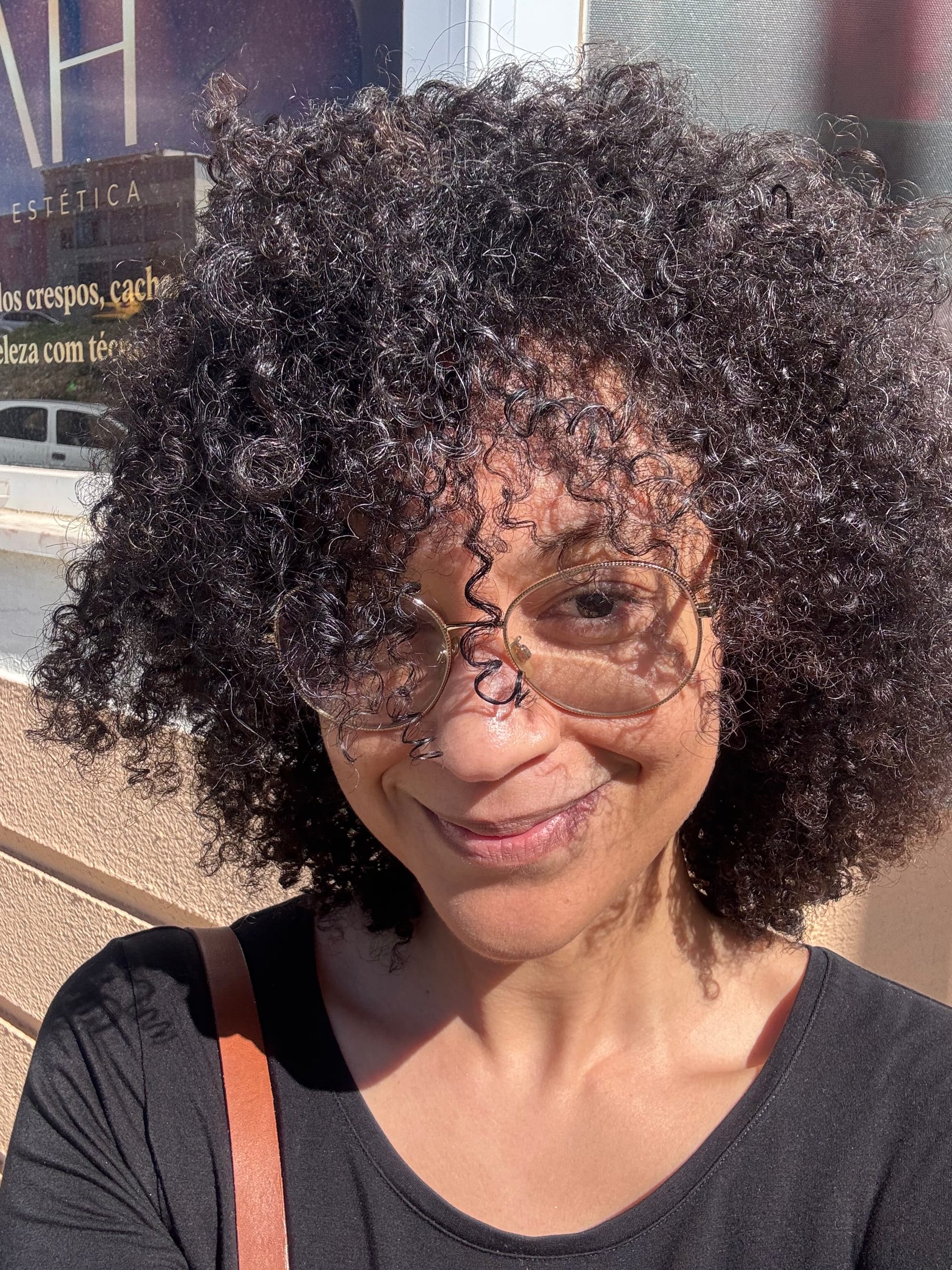
This is the hair routine that has helped me manage LPP alopecia on afro 4B/4C hair over the past five years.
Having LPP alopecia is never happy news but it is not a death sentence. When diagnosed early, it's the opportunity to change a lifestyle and life stigmas, passed through generations, on how coily, afro and dry hair must be managed. Heavy daily products on dry hair make it harsher to manage and must not be confused with the proper slip we aim for on wash days.
Like this content and want more? You can subscribe to get a monthly edit and we can connect also on BlueSky | TikTok | Youtube | Pinterest